Need TV Repair Services in Nairobi?
Certified technicians dispatched to you — same day.
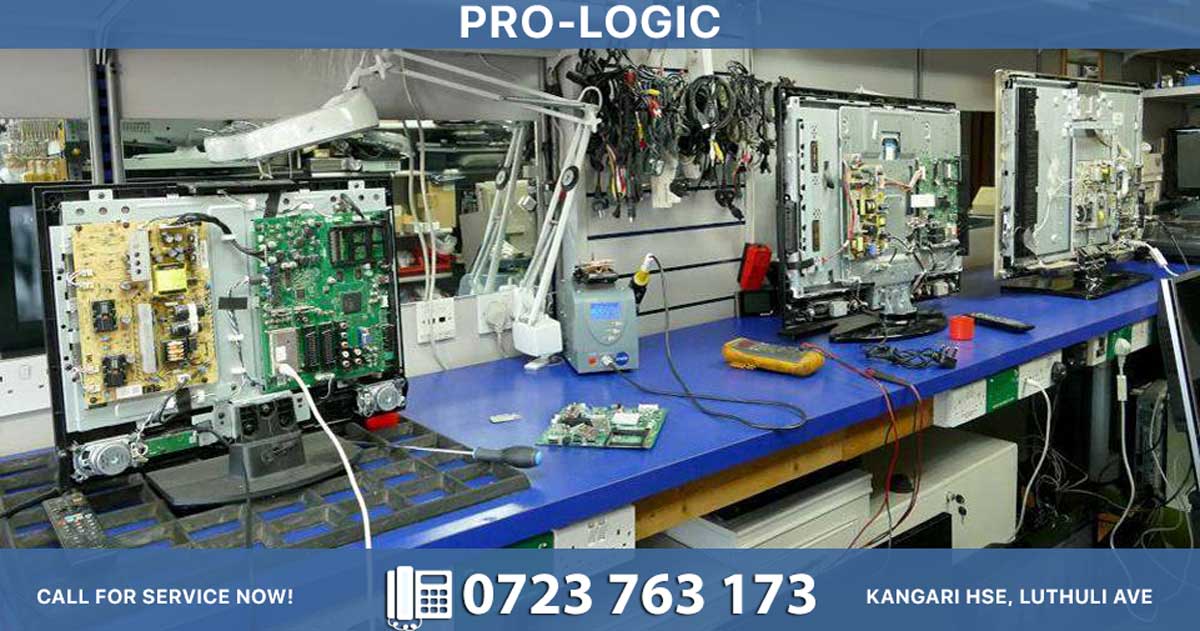
Amplifier Power Supply Fix in Nairobi, Kenya
Amplifiers are the heartbeat of audio systems, delivering clear, powerful sound for music enthusiasts, event organizers, and professionals. When their power supply fails, the silence is deafening, disrupting everything from home entertainment to live performances. In Nairobi, where vibrant music scenes and growing tech adoption thrive, the need for reliable amplifier power supply repair services is evident. Fixing these issues restores sound quality, prevents further damage, and ensures systems perform at their peak.
Power supply problems in amplifiers often manifest as no output, distorted sound, or sudden shutdowns. Common culprits include blown fuses, faulty capacitors, or damaged transformers. Overheating, caused by prolonged use or poor ventilation, can degrade components, while power surges—frequent in urban settings—may fry circuits. Dust accumulation, another prevalent issue, can clog cooling fans or short-circuit connections. Technicians start by diagnosing the fault, using tools like oscilloscopes to trace electrical flow or multimeters to check voltage stability.
Repairing an amplifier’s power supply demands precision and expertise. Older analog models, still popular for their warm sound, often have simpler circuits but require sourcing obsolete parts. Modern digital amplifiers, with switching power supplies, involve intricate electronics and microchips. Technicians must be versed in brands like Yamaha, Peavey, or Bose, which dominate the local market. For high-end systems, like those used in studios or concerts, even minor errors during repair can compromise audio fidelity, making accuracy critical.
The repair process begins with a thorough inspection. Technicians disconnect the amplifier to avoid shocks, then examine the power supply unit for visible damage—burn marks, swollen capacitors, or cracked solder joints. They test fuses and diodes for continuity, replacing any that are blown. If the transformer is faulty, they verify its windings and voltage output, opting for rewinding or replacement based on cost and availability. For complex issues, like unstable voltage regulation, they may rebuild sections of the circuit board, ensuring components match the original specs.
Skill alone isn’t enough; sourcing quality parts is a hurdle in Nairobi’s repair industry. Counterfeit components flood some markets, risking premature failures. Reputable technicians rely on trusted suppliers or import directly, prioritizing durability over cheap fixes. They also clean internal components during repairs, removing dust to improve cooling and prevent future faults. Once repairs are complete, they run stress tests, simulating real-world use to confirm the power supply delivers stable, clean energy to the amplifier.
Customer education is a priority for many repair services. Technicians advise clients on surge protectors to shield against voltage spikes, a common issue during rainy seasons. They recommend proper ventilation—keeping amplifiers away from walls or cramped racks—to reduce heat buildup. For professional setups, they suggest routine maintenance schedules to catch wear early, especially for systems powering long events. This guidance helps users extend their equipment’s lifespan and avoid costly downtime.
The local repair landscape has its challenges. Limited access to specialized parts, particularly for rare or vintage models, can delay fixes. Skilled technicians are in demand, but training lags behind the pace of new technology. Yet, the industry adapts. Some shops stock universal components to speed up repairs, while others offer pickup and delivery services for convenience. Mobile repair units, equipped with portable tools, cater to clients with urgent needs, like DJs or churches facing weekend deadlines.
Cost varies depending on the amplifier’s complexity and damage extent. Basic fixes, like replacing fuses or capacitors, are budget-friendly, but overhauling a high-wattage system’s power supply can be pricier. Transparent quotes build trust, with good providers detailing labor and part costs upfront. Warranties, often covering three to six months, reassure clients of lasting repairs. Some shops bundle maintenance plans, appealing to businesses like clubs or recording studios that rely on consistent audio performance.
A stable power supply doesn’t just restore sound—it protects the amplifier’s other components. A faulty supply can send erratic voltages, damaging speakers or circuits. In a city where live music and events are cultural staples, timely fixes keep the rhythm alive. They also save money, as repairs are often cheaper than replacements, especially for premium systems.
Choosing a repair service requires care. Referrals, online feedback, and technician certifications guide customers to reliable providers. Established shops handle diverse models, from budget home units to professional rigs, and offer quick turnarounds. For critical setups, like concert venues, they provide emergency repairs to minimize disruptions.
Amplifier power supply fixes in Nairobi blend technical skill with practical solutions, keeping audio systems humming. As music and tech evolve, these services ensure sound remains uninterrupted, powering everything from intimate gigs to grand celebrations.