Need TV Repair Services in Nairobi?
Certified technicians dispatched to you — same day.
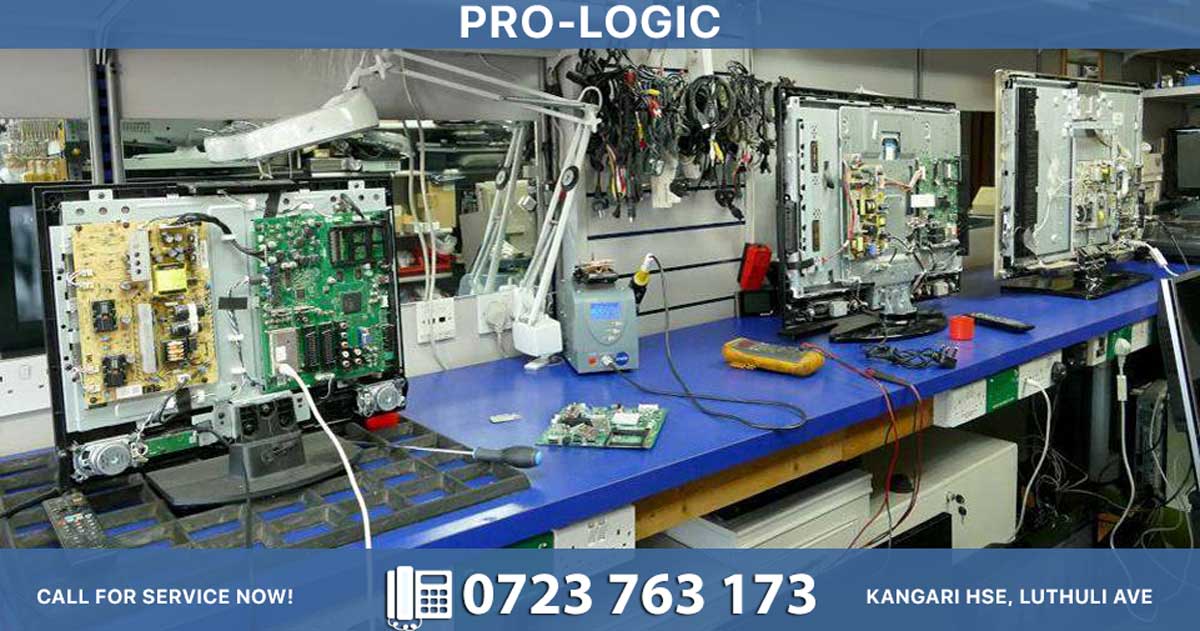
Backlight failure is a common issue in LED TVs and is often the cause of a black screen with sound still playing or a very dim picture. The backlight system in an LED TV consists of multiple components, including LED strips, a backlight driver board, and sometimes a diffuser panel. When any of these components fail, the TV screen may appear black or extremely dim, even though the LCD panel itself may still be functioning. The good news is that backlight failure can often be repaired, but the complexity and cost depend on the specific cause and the TV model.
The most frequent cause of backlight failure is faulty LED strips. LED strips contain multiple small LED bulbs that illuminate the screen. Over time, these LEDs can burn out due to age, heat, or electrical stress. If only a few LEDs fail, the screen may appear dim or have uneven brightness. If an entire strip fails, the screen may go completely black. Replacing LED strips requires disassembling the TV, which involves removing the back cover, the diffuser, and other internal components. This process is delicate and requires precision to avoid damaging the LCD panel or other parts. For this reason, it is often best left to professional technicians.
Another common cause is a failed backlight driver board. This board controls the power and brightness of the LED strips. If the driver board fails, it may not provide the necessary voltage to the LEDs, causing them to turn off or flicker. Symptoms of a failing driver board include flickering, inconsistent brightness, or the TV taking longer to turn on. Replacing the driver board is typically easier than replacing LED strips, as it involves removing and replacing a single component. However, it still requires opening the TV and handling internal parts, which carries risks if not done carefully.
Power supply issues can also cause backlight failure. The power supply board provides voltage to the backlight driver, and if it fails to deliver the correct voltage, the backlight may not function. Inspect the power supply board for visible signs of damage, such as bulging capacitors or burn marks. If the power supply is faulty, it may need to be repaired or replaced. In some cases, a simple capacitor replacement can restore normal operation, but this requires soldering skills and knowledge of electronics.
To confirm backlight failure, perform the flashlight test. In a dark room, turn on the TV and shine a flashlight at an angle on the screen. If you can see a faint image, the backlight is likely the issue. If there is no image at all, the problem may be with the LCD panel, main board, or another component. For backlight repairs, professional service is usually recommended, as the process involves handling delicate and high-voltage components. However, if you are experienced with electronics and comfortable with disassembly, you may be able to perform the repair yourself using replacement parts and guides from repair communities.
The cost of backlight repair is an important consideration. Replacement LED strips and driver boards can be expensive, and the labor costs for professional repair can add up quickly. For older or smaller TVs, the cost of repair may exceed the value of the set, making replacement a more practical option. However, for newer or high-end TVs, repair can be a cost-effective way to extend the life of the device. Always weigh the cost of repair against the price of a new TV before proceeding.