Need TV Repair Services in Nairobi?
Certified technicians dispatched to you — same day.
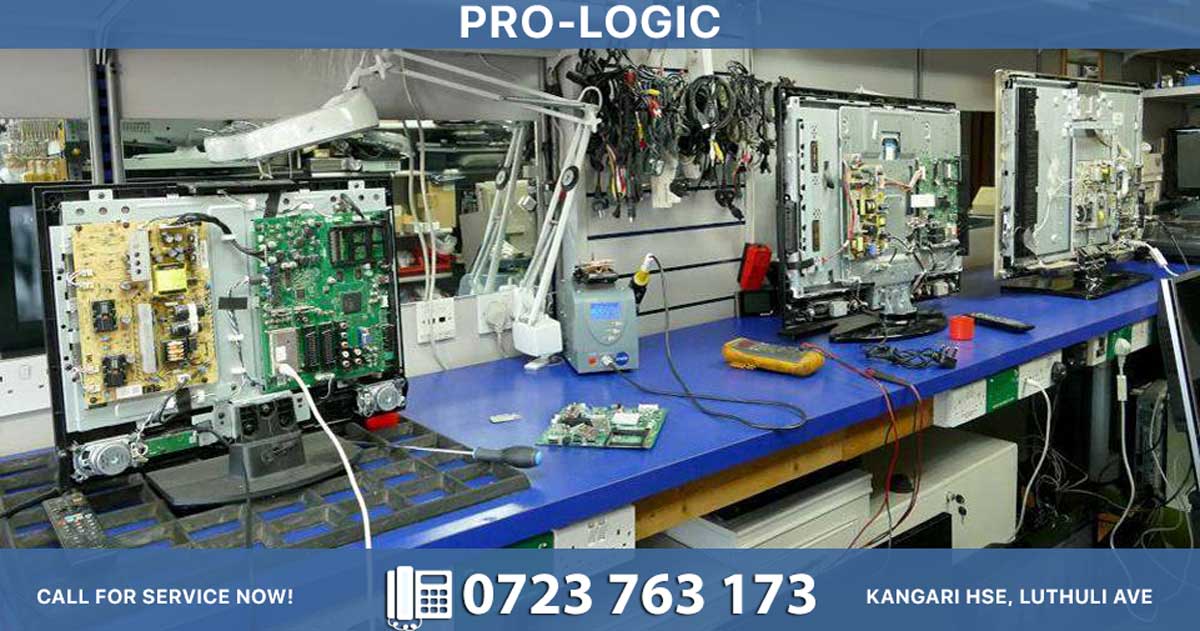
How to Set Up a TV Maintenance Schedule for Schools
Managing audiovisual equipment across a school campus can be challenging, especially when dealing with multiple TVs in classrooms, common areas, and media centers. A well-structured maintenance schedule ensures these valuable teaching tools remain operational while extending their lifespan and maximizing your school's technology investment. Here's a comprehensive guide to establishing an effective TV maintenance schedule for your educational institution.
Inventory Assessment and Documentation
Begin by conducting a thorough inventory of all television sets on campus:
- Document each TV's make, model, serial number, and purchase date
- Note the location and primary users of each device
- Record any existing issues or special considerations
- Categorize TVs by type (LCD, LED, plasma, smart TVs, interactive displays)
- Create a centralized digital database accessible to IT staff and administrators
This foundational step provides visibility into your equipment assets and helps prioritize maintenance needs based on device age, condition, and importance.
Establish Maintenance Tiers
Develop a tiered approach to TV maintenance that balances thoroughness with time constraints:
Daily Quick Checks (performed by teachers/room users):
- Visual inspection for obvious damage
- Basic power and function testing
- Reporting any issues through a standardized system
Monthly Preventive Maintenance (performed by IT staff):
- Screen cleaning with appropriate materials
- Cable inspection and organization
- Remote control battery checks and replacement
- Software updates for smart TVs
- Input testing across all connected devices
Quarterly Deep Maintenance (performed by IT staff or specialists):
- Thorough cleaning including vents and hard-to-reach areas
- Diagnostic tests of all functions
- Calibration of picture and sound settings
- Firmware updates where applicable
- Mount and bracket security checks
Annual Professional Assessment (performed by contracted specialists):
- Comprehensive diagnostic testing
- Internal component inspection
- Professional calibration
- Assessment of replacement needs
Scheduling and Assignment
Create a calendar-based system that clearly assigns responsibility for each tier of maintenance:
- Designate specific days for monthly, quarterly, and annual maintenance
- Avoid scheduling during critical academic periods (exams, special events)
- Assign backup personnel to ensure continuity when primary staff are absent
- Create checklists for each maintenance level to ensure consistency
- Implement a sign-off procedure to verify completion
Training and Standards
Develop standardized procedures and provide training to all involved personnel:
- Create visual guides for basic maintenance tasks
- Conduct hands-on training sessions for staff
- Develop clear guidelines for approved cleaning products and methods
- Establish protocols for reporting and escalating issues
- Provide reference materials accessible at each TV location
Tracking and Improvement
Implement systems to track maintenance activities and outcomes:
- Use digital maintenance management software or shared spreadsheets
- Track common issues to identify patterns requiring systemic solutions
- Calculate mean time between failures to assess effectiveness
- Conduct periodic reviews of the maintenance program
- Adjust schedules and procedures based on data and feedback
Budget and Resource Planning
Align maintenance activities with budget realities:
- Allocate funds for replacement parts and cleaning supplies
- Budget for professional services when needed
- Plan for eventual replacement of aging units
- Consider maintenance requirements when purchasing new equipment
- Explore warranty service options for newer equipment
Specialized Considerations for Educational Environments
Account for the unique needs of school environments:
- Schedule intensive cleaning during school breaks
- Implement protective measures in high-risk areas (gymnasiums, cafeterias)
- Develop protocols for interactive displays that experience heavy touch use
- Consider seasonal factors that might affect equipment (humidity, temperature)
- Educate students on proper TV use to minimize maintenance needs
By implementing this structured approach to TV maintenance, schools can reduce downtime, extend equipment life, and ensure that these valuable teaching tools are always ready to support the educational mission.