Need TV Repair Services in Nairobi?
Certified technicians dispatched to you — same day.
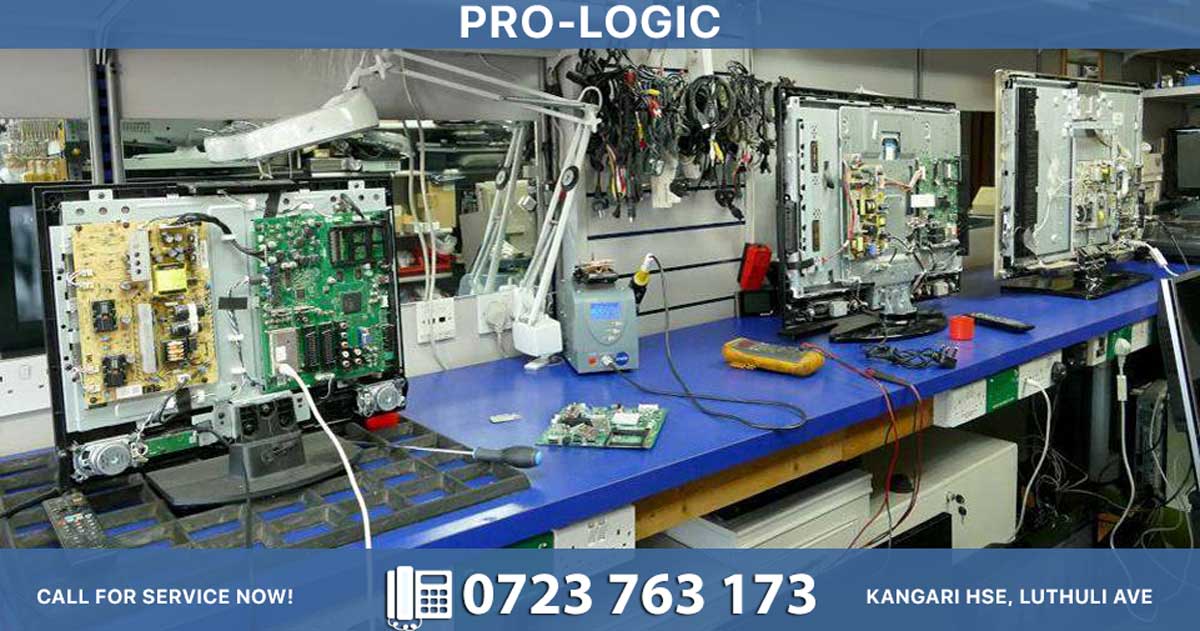
Temperature Regulation Repair in Nairobi, Kenya
Temperature regulation systems, from air conditioners to refrigeration units, are vital for comfort and functionality in homes, offices, and businesses. In a bustling urban environment, these systems face heavy use, dust accumulation, and occasional power surges, all of which can lead to breakdowns. Repairing them requires a blend of technical skill, local knowledge, and access to quality parts, with technicians navigating unique challenges to keep cooling systems running smoothly.
The demand for temperature regulation repair has grown steadily as more households and businesses rely on air conditioning and refrigeration. In residential settings, split-unit ACs are popular for their efficiency, but they often suffer from clogged filters or refrigerant leaks after prolonged use. Commercial spaces, like restaurants and hotels, depend on large-scale HVAC systems and cold storage units, which require regular maintenance to avoid costly downtime. Technicians report that common issues include compressor failures, faulty thermostats, and electrical malfunctions, often exacerbated by inconsistent maintenance schedules.
Skilled technicians are the backbone of the repair industry. Many are trained through vocational programs or apprenticeships, gaining expertise in diagnosing problems and handling refrigerants safely. Certification from bodies like the National Industrial Training Authority ensures a baseline of competence, though hands-on experience often matters more. A seasoned technician can troubleshoot a noisy AC unit in minutes, identifying whether it’s a loose fan blade or a failing motor, while less experienced ones might struggle with complex wiring issues in older systems. The best repair professionals stay updated on newer models, like inverter ACs, which use advanced technology to save energy but require specialized knowledge to fix.
Access to spare parts is a critical factor in timely repairs. Local markets stock components for popular brands, but counterfeit parts pose a persistent problem. Technicians often advise clients to invest in genuine compressors or capacitors, even if they cost more, to avoid frequent breakdowns. Supply chains can be unpredictable, with delays for rare parts sometimes stretching days. Some repair shops counter this by maintaining robust inventories, though this drives up their overhead costs. For high-end systems, technicians may need to source parts directly from manufacturers, adding to repair timelines but ensuring compatibility.
The cost of repairs varies widely, influenced by the system’s complexity and the technician’s expertise. A simple AC service, like cleaning filters and checking refrigerant levels, might cost a fraction of what’s needed to overhaul a commercial chiller. Clients often face a dilemma: repair an aging unit or replace it entirely. Technicians play a key role in guiding these decisions, weighing factors like energy efficiency and long-term savings. For instance, a 10-year-old refrigerator might still work after a repair, but its power consumption could dwarf the cost of a modern, energy-efficient model.
Environmental concerns are shaping the repair landscape. Older systems using refrigerants like R22, which harm the ozone layer, are being phased out globally. Technicians must retrofit units to handle eco-friendly alternatives like R410A, a process that demands precision to avoid leaks. Proper disposal of old refrigerants is another challenge, as improper handling can release harmful gases. Some repair shops partner with recycling firms to manage waste responsibly, though this isn’t yet widespread. Clients are increasingly aware of these issues, often asking for “green” solutions, which pushes technicians to upskill.
Power fluctuations pose a unique hurdle. Voltage spikes can fry circuit boards or damage compressors, leading to costly repairs. Technicians often recommend surge protectors or stabilizers, but not all clients follow through until it’s too late. Dust, another culprit, clogs condensers and reduces efficiency, especially in areas with high construction activity. Regular servicing—ideally every six months—can prevent these issues, yet many clients only call for help when systems fail entirely. Educating customers on proactive maintenance remains an ongoing effort for repair professionals.
The repair industry is also adapting to technology. Some technicians use diagnostic apps to pinpoint issues faster, while others rely on traditional tools like multimeters and pressure gauges. Online platforms have made it easier for clients to find reliable repair services, with reviews helping separate skilled professionals from fly-by-night operators. However, competition is fierce, and some technicians cut corners to offer lower prices, which can lead to shoddy repairs and frustrated customers.
Looking ahead, the repair sector is poised for growth as climate shifts drive demand for cooling systems. Technicians who invest in training, prioritize quality parts, and embrace sustainable practices will likely thrive. For clients, choosing a reputable repair service means balancing cost with reliability, ensuring their systems stay functional in an increasingly warm world.