Need TV Repair Services in Nairobi?
Certified technicians dispatched to you — same day.
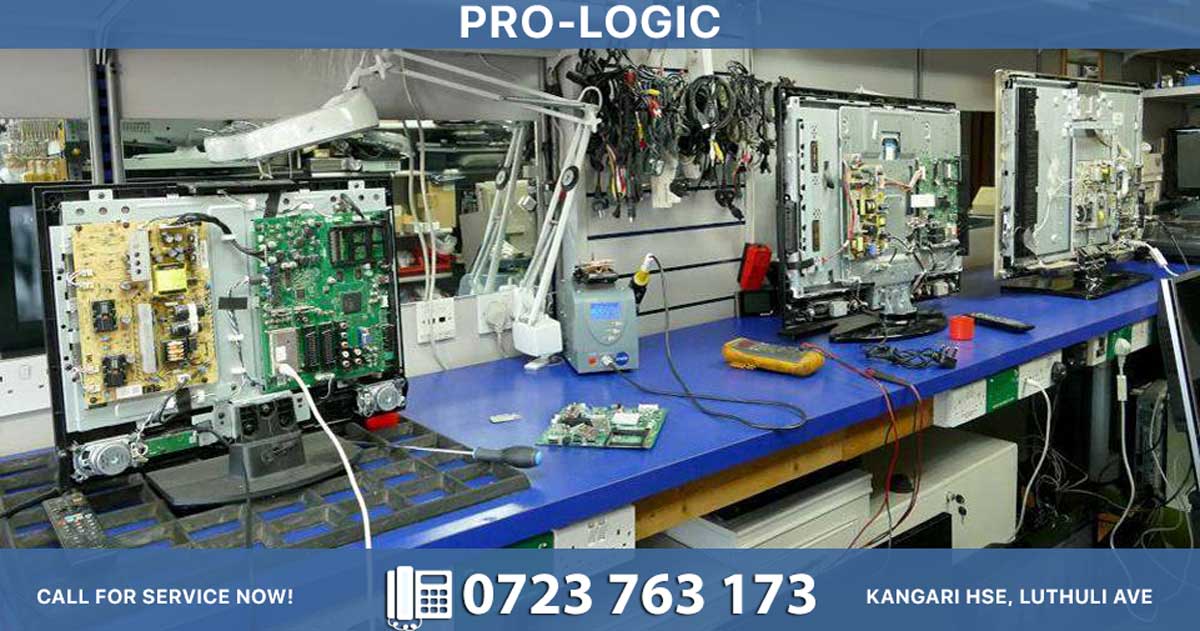
TV repair has evolved from fixing simple CRT sets to handling complex LED, LCD, and smart‑TV boards, panels, and firmware. A structured TV repair course can turn a hobbyist into a confident technician capable of diagnosing and repairing most common TV problems profitably. This guide walks you through what modern TV repair training covers, how to choose the right course, and how to build a sustainable repair business after training.
What TV repair courses cover
Most reputable TV repair courses follow a clear progression from basic electronics to advanced chip‑level and panel‑level work. Typical modules include:
-
Basic electronics fundamentals:
-
DC and AC concepts, Ohm’s Law, series–parallel circuits.
-
How capacitors, resistors, diodes, transistors, MOSFETs, and ICs behave in TV power and signal paths.
-
-
Component identification and testing:
-
Recognizing surface‑mount (SMD) and through‑hole components on TV boards.
-
Using multimeters, hot‑air guns, soldering irons, and oscilloscopes to test and replace faulty parts.
-
-
Power supply and inverter circuits:
-
Understanding SMPS (switch‑mode power supplies), PFC stages, and 12 V/24 V/LED‑backlight rails.
-
Troubleshooting no‑power, standby‑only, and flickering‑backlight issues at the board level.
-
-
Main board, T‑CON, and driver boards:
-
Analyzing block diagrams for LCD/LED and smart TVs.
-
Testing main boards, logic boards, and T‑CONs for voltage drops, signal faults, and software glitches.
-
-
Panel and backlight repair:
-
LED‑backlight and inverter testing, strip and coil replacement, and disabling protections.
-
Panel‑bonding basics, COF (chip‑on‑film) repair, and dealing with vertical/horizontal lines, black spots, and white‑screen issues.
-
-
HDMI, USB, audio, and software faults:
-
Port testing, trace‑voltage checks, and jumper techniques for HDMI, USB, and audio jack problems.
-
Updating firmware, flashing BIOS, eMMC, and NAND chips on smart‑TV motherboards.
-
-
Safety and workshop practices:
-
Working safely with high‑voltage sections, proper grounding, and ESD precautions.
-
Organizing tools, documenting repairs, and maintaining a service log.
-
Types of TV repair training available
TV repair courses now come in several formats, each suited to different budgets and learning styles.
1. In‑person technical institutes
Many local electronics institutes offer 1–3 week TV repair programs that combine theory with hands‑on board practice. These often include lifetime technical support, printed notes, and practice on multiple TV models.
-
Pros: Immediate instructor feedback, live fault practice, and access to real‑world service tools.
-
Cons: Limited to local locations and fixed schedules.
2. Online video courses
Platforms host full LCD/LED TV‑repair series where experienced technicians walk students through circuit diagrams, power‑section repair, and chip‑level troubleshooting.
-
Pros: Flexible timing, repeatable lectures, and low cost.
-
Cons: You must source your own tools and junk boards.
3. Self‑paced written guides and PDFs
Older but still valuable texts and modern PDF curricula provide step‑by‑step procedures, safety information, and model‑specific repair tips.
-
Pros: Reference‑friendly, useful for revisiting specific circuits.
-
Cons: Less interactive; best used alongside hands‑on practice.
How to choose the right TV repair course
Not all TV repair courses deliver the same value. To avoid wasting time or money:
-
Check the curriculum depth:
Ensure the course moves beyond basic “component swapping” into power‑section analysis, voltage tracing, and panel‑level or COF repair. -
Look for practical, hands‑on focus:
Courses that include live fault‑finding demos, sample boards, and repair exercises give better skills than purely theoretical ones. -
Verify trainer credentials:
Instructors with long‑term service experience, chip‑level repair expertise, or published technical material are more likely to teach usable, real‑world techniques. -
Assess post‑course support:
Some programs offer lifetime technical help, WhatsApp groups, or follow‑up Q&A sessions, which are extremely helpful when troubleshooting tricky faults later. -
Compare platform and format:
If you live in Nairobi or similar markets, in‑person short‑term workshops may pair better with local spare‑part sourcing than pure online programs.
Skills and tools you’ll need
TV repair at the board and panel level requires a mix of technical knowledge and physical tools:
-
Core skills:
-
Basic electronics and circuit analysis.
-
Soldering SMD components, reballing ICs, and using a hot‑air station.
-
Reading block diagrams and schematic snippets to trace faults.
-
-
Essential tools:
-
Digital multimeter, non‑contact voltage tester, and clamp meter.
-
Soldering iron, hot‑air rework station, tweezer, and magnifier.
-
Power supply (bench or isolated), oscilloscope (optional but powerful), and programming tools for BIOS/eMMC.
-
-
Spare‑part sources:
-
Local component markets and online platforms for capacitors, MOSFETs, ICs, backlight strips, and universal boards.
-
Turning TV repair into a profitable business
After completing a solid TV repair course, you can build a small‑scale service business with relatively low startup cost:
-
Start with basic faults:
Offer services for common issues such as no‑power, standby blinking, backlight failure, and HDMI/audio‑port problems before moving to panel‑level or chip‑level work. -
Set clear pricing tiers:
-
Basic board‑level repair (power supply, main board, ports).
-
Advanced panel repair or universal‑board conversions.
-
Software‑only services like firmware updates or BIOS flashing.
-
-
Market locally and online:
-
Use social media, WhatsApp groups, and local listing sites to post TV repair offers and before‑and‑after photos.
-
Offer free diagnostics or small‑fee inspections to build trust.
-
-
Upsell value‑added services:
-
TV mounting, antenna or cable setup, and periodic maintenance checks can increase ticket size without much extra effort.
-
TV repair courses today go far beyond swapping boards; they equip you with system‑level understanding, solid tools practice, and the confidence to tackle modern smart‑TV and LED‑panel repairs. With the right training, practice, and a clear service‑offering strategy, TV repair can become a scalable, profitable skill in Nairobi or any other service‑oriented city around the world.