Need TV Repair Services in Nairobi?
Certified technicians dispatched to you — same day.
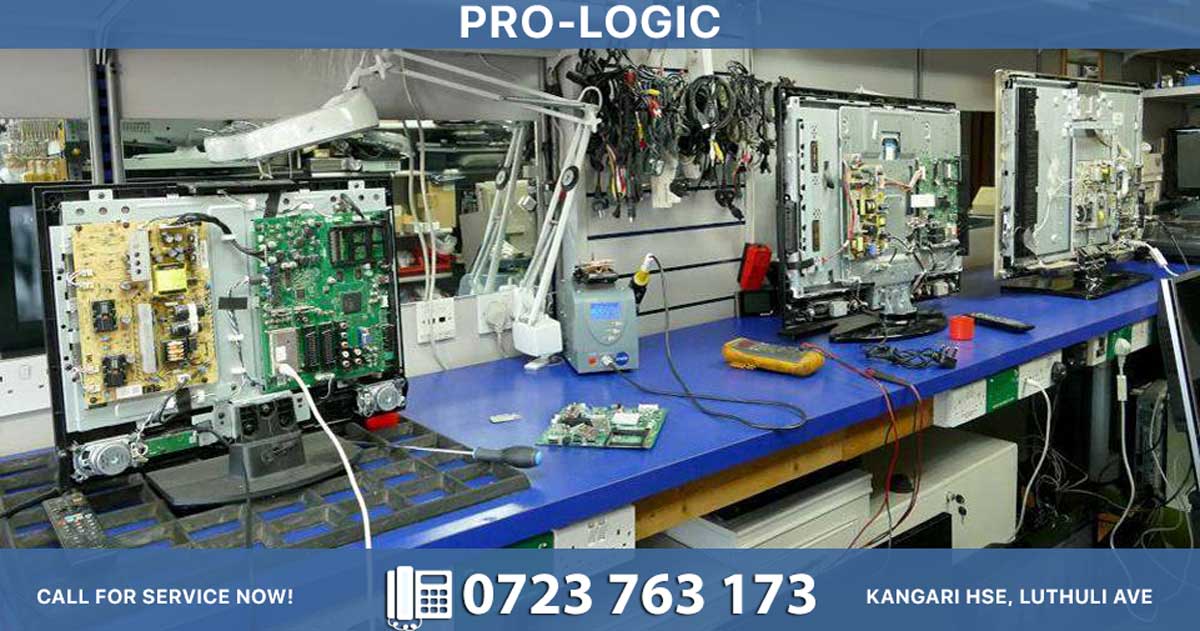
Vertical or horizontal roll on a TV screen is a distraction where the picture continuously scrolls up and down or side to side, making it difficult or impossible to watch. This issue can occur on all types of TVs, including older CRT models and modern flat-panel displays. The roll is usually caused by a synchronization problem between the TV and the incoming video signal. Understanding the cause can help you address the problem effectively.
The most common cause of vertical or horizontal roll is an incorrect or unsupported refresh rate. The refresh rate is the number of times the TV updates the image per second, typically measured in Hertz (Hz). Most modern TVs support 60Hz, but some devices output at 50Hz or other rates. If the TV cannot sync with the incoming refresh rate, the result may be a rolling picture. Check the refresh rate settings on the connected device and ensure they match the TV capabilities. For example, if the TV is designed for 60Hz, set the device to output at 60Hz. Some TVs have an auto-detect feature for refresh rate, which can resolve compatibility issues.
Cable and connection issues can also cause roll. A damaged or low-quality cable may not transmit the signal cleanly, leading to synchronization problems. Try replacing the cable with a high-quality option, such as a high-speed HDMI cable for modern TVs or a coaxial cable for older models. Additionally, ensure the cable is securely connected at both ends. Loose connections can cause intermittent signal loss, resulting in roll or other display artifacts. For older TVs with antenna inputs, check that the coaxial cable is properly connected and not damaged.
Interference from other devices or signals can cause roll. Electrical interference from appliances, power lines, or other electronic devices can disrupt the video signal, leading to synchronization issues. Try moving the TV and connected devices away from potential sources of interference, such as large appliances, wireless routers, or power lines. Additionally, ensure the TV and connected devices are plugged into a stable power source. Using a surge protector or power conditioner can help filter out electrical noise and reduce interference.
Software or firmware issues may also lead to roll. Some TVs experience synchronization problems after firmware updates or due to bugs in the operating system. Check for available firmware updates and install them if possible. If the roll started after a recent update, a factory reset may restore normal operation. Additionally, some picture modes or processing features, such as motion smoothing or noise reduction, can cause synchronization issues. Try disabling these features in the picture settings to see if the roll disappears.
Hardware failures within the TV can cause more persistent roll. A failing main board or video processing circuit may not sync correctly with the incoming signal, leading to a rolling picture. Similarly, issues with the display panel or its connections can cause synchronization problems. If the roll appears on all inputs, including the TV internal menu, the issue is likely internal. In such cases, professional diagnosis is recommended, as these components require specialized equipment to test and replace.
For older CRT TVs, roll can be caused by issues with the vertical or horizontal deflection circuits. These circuits control the movement of the electron beam across the screen, and if they fail, the beam may not scan the screen correctly, resulting in a rolling picture. Inspect the deflection coils and associated circuitry for visible signs of damage, such as burn marks or loose connections. If the deflection circuits are faulty, they may need to be repaired or replaced by a professional technician.
If the roll is only visible with certain devices or inputs, the source device may be the cause. Check the output settings on the device and ensure they match the TV capabilities. For example, if the device is set to output a progressive scan signal but the TV only supports interlaced, the result may be roll or other display issues. Adjust the device output settings to match the TV input capabilities.