Need TV Repair Services in Nairobi?
Certified technicians dispatched to you — same day.
Why Schools Should Avoid DIY TV Repairs
Televisions are important tools in modern classrooms. They help with online learning, presentations, and showing educational content. When a school TV stops working, it can be tempting to fix it yourself. However, DIY TV repairs are risky and often lead to bigger problems. Schools should always call trained professionals for repairs.
Lack of Technical Knowledge
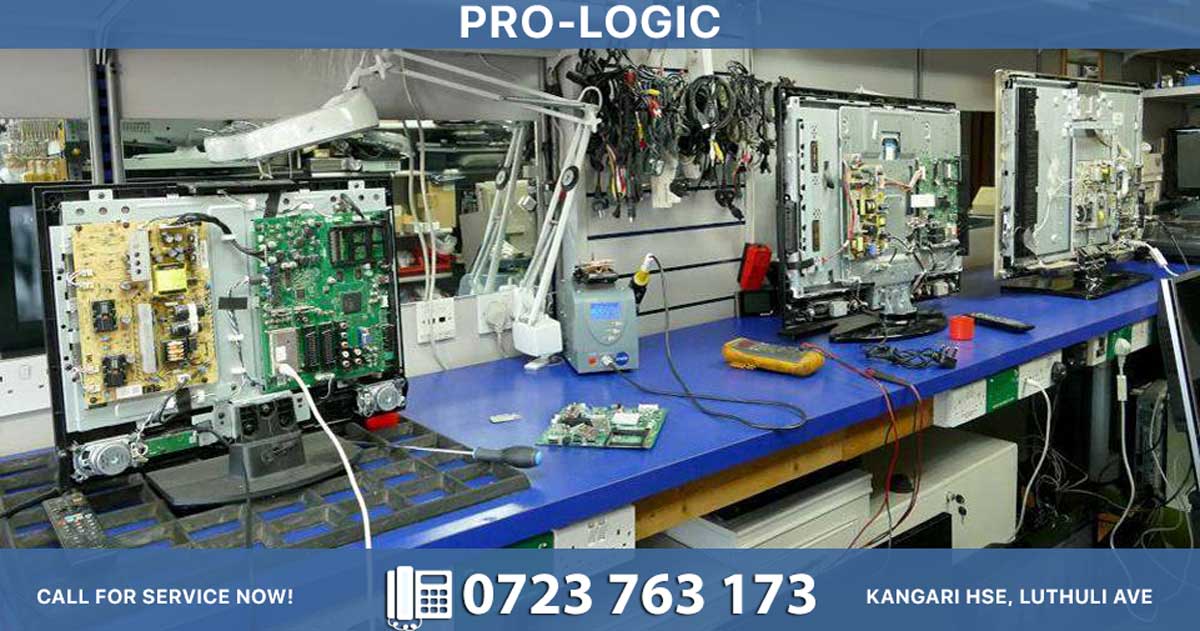
Most school staff are not trained in television repair. Modern TVs are complex, with sensitive components like power boards, T-Con boards, and LED backlights.
If someone with no experience opens the TV, they may:
-
Damage internal parts
-
Use the wrong tools
-
Cause electrical issues
One small mistake can turn a simple issue into a costly repair or a full replacement. It's better to let experts handle it.
Safety Hazards
Televisions use high-voltage electricity, even when turned off. Inside the TV, some components can hold a charge and give a strong electric shock.
DIY repair attempts can lead to:
-
Electric shock injuries
-
Short circuits
-
Fires from mishandling wires
Schools have students and staff around, so safety is very important. Avoiding DIY repair protects everyone in the building.
Void of Warranty
Many schools buy TVs with manufacturer warranties. If anyone other than an authorized technician opens the TV, the warranty becomes invalid.
This means:
-
The manufacturer will not cover future repairs
-
The school will pay full price for any damage
-
Replacement becomes more expensive
To keep the warranty active, only licensed repair technicians should work on the TV.
Wrong Diagnosis
It is common for untrained people to misdiagnose the problem. For example, a black screen might be seen as a display issue, but the real problem could be the backlight or power board.
Wrong diagnosis leads to:
-
Buying the wrong parts
-
Wasting time and money
-
More damage during the repair process
A professional technician uses testing tools and experience to find the real issue quickly and fix it correctly.
Poor Repair Quality
Even if the TV seems to work after a DIY fix, the repair may not last. School TVs are used often and for long hours, especially in classrooms with digital content.
Common signs of poor DIY repair:
-
TV turns off randomly
-
Audio or video glitches
-
Flickering screen
A temporary fix is not good enough for a learning environment. Professional repairs are more reliable and long-lasting.
Increased Costs in the Long Run
DIY repairs may seem cheaper at first, but they often end up costing more. A small issue that could be fixed for a low fee can become a major problem if handled poorly.
Extra costs may include:
-
New parts
-
Full replacement
-
Service charges for fixing new damage
Paying for professional service from the start saves money over time.
Better Option: Scheduled Maintenance
Instead of waiting for a TV to stop working, schools should consider preventive maintenance. A service provider can:
-
Check all TVs regularly
-
Clean internal parts
-
Fix small problems before they grow
This approach keeps TVs working longer and reduces downtime during class.
Conclusion: Let Experts Handle It
Schools should focus on teaching, not repairing electronics. Trained technicians have the right tools, parts, and skills to repair TVs safely and correctly.
Trying to fix a television without training is risky. It can harm people, damage equipment, and cost the school more money. Always contact a licensed repair technician for any TV issue.